Boyne Floodplain Woodlands Project
Restoring the Boyne Woodlands
Our aim is to help restore the lost woodlands along the River Boyne, to protect the water quality and biodiversity of the catchment.
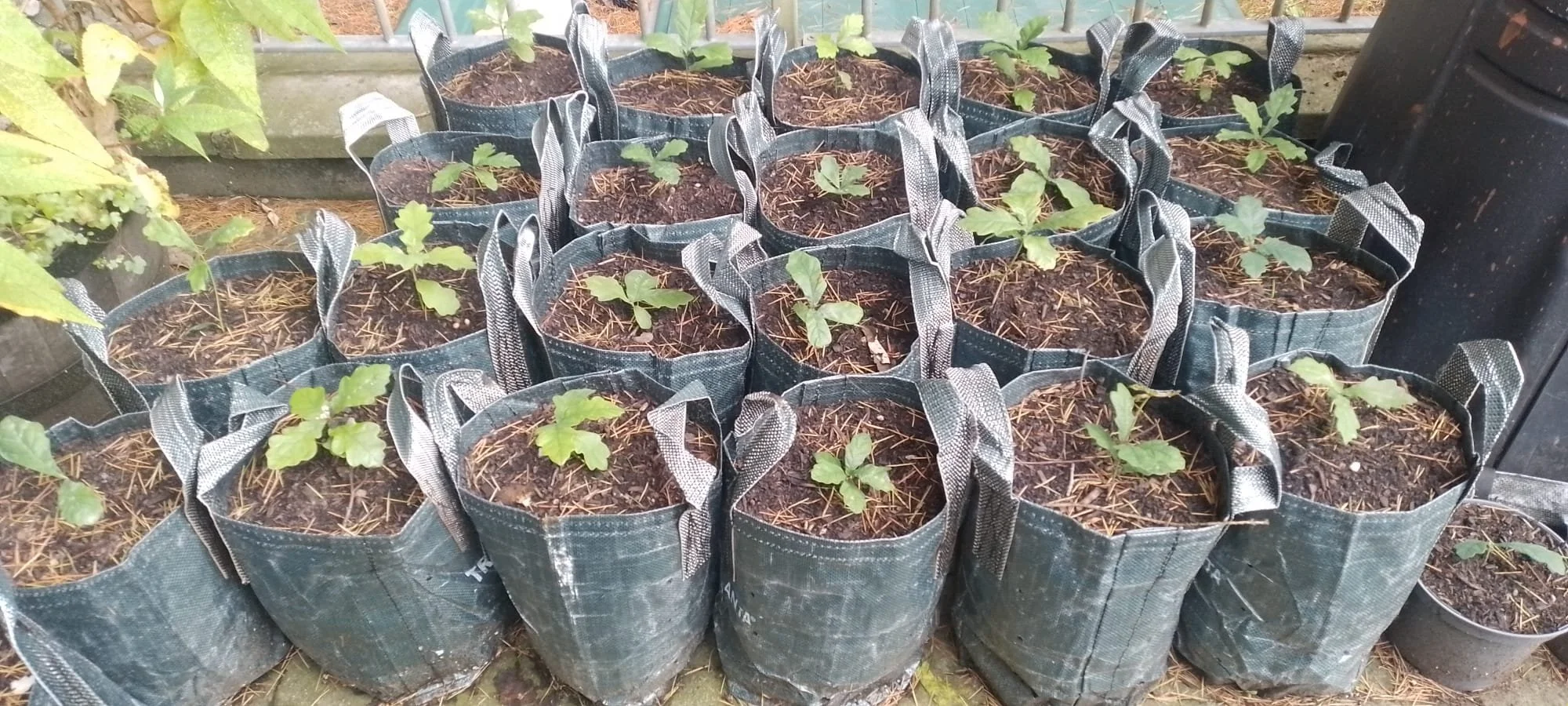
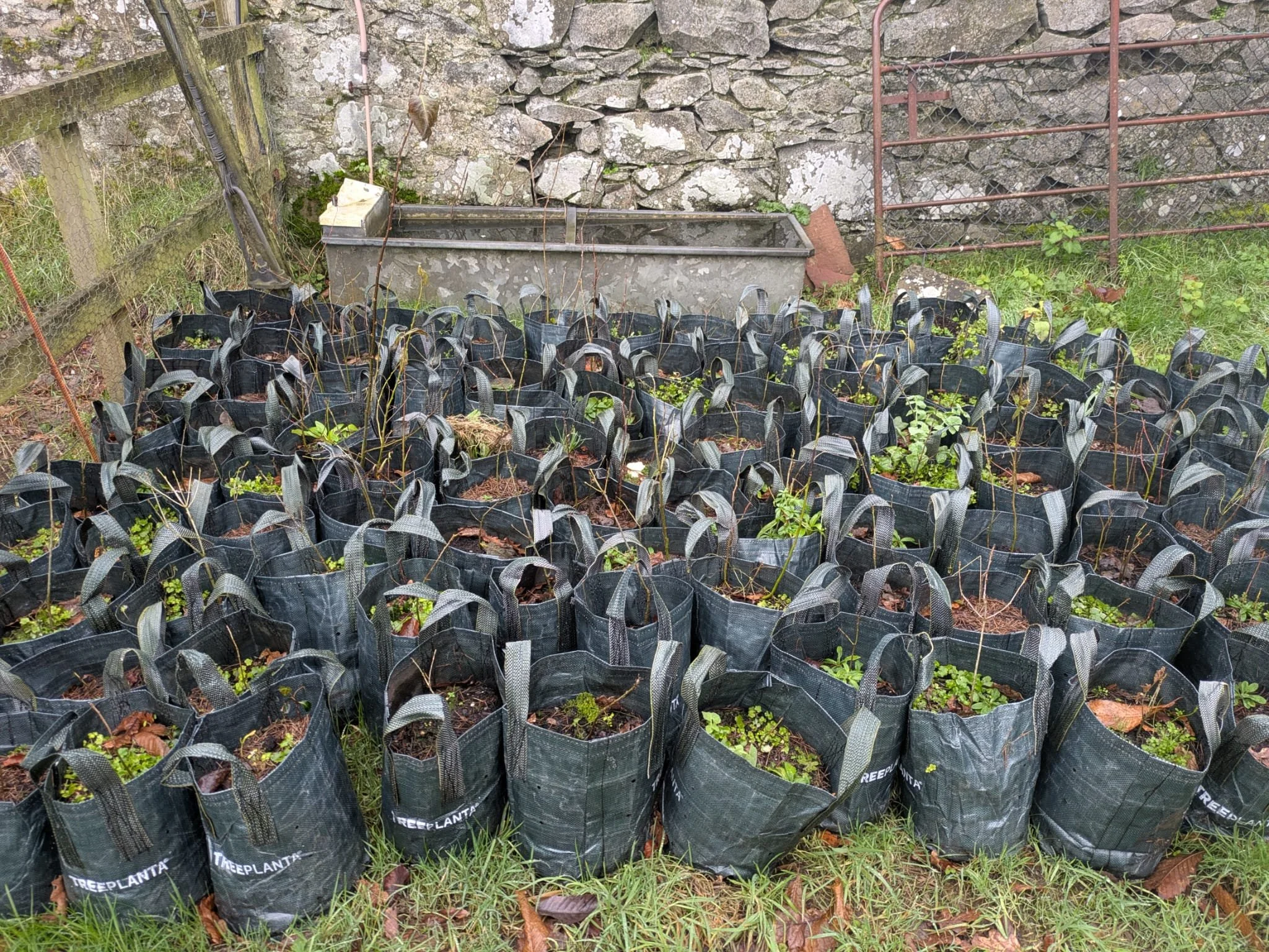
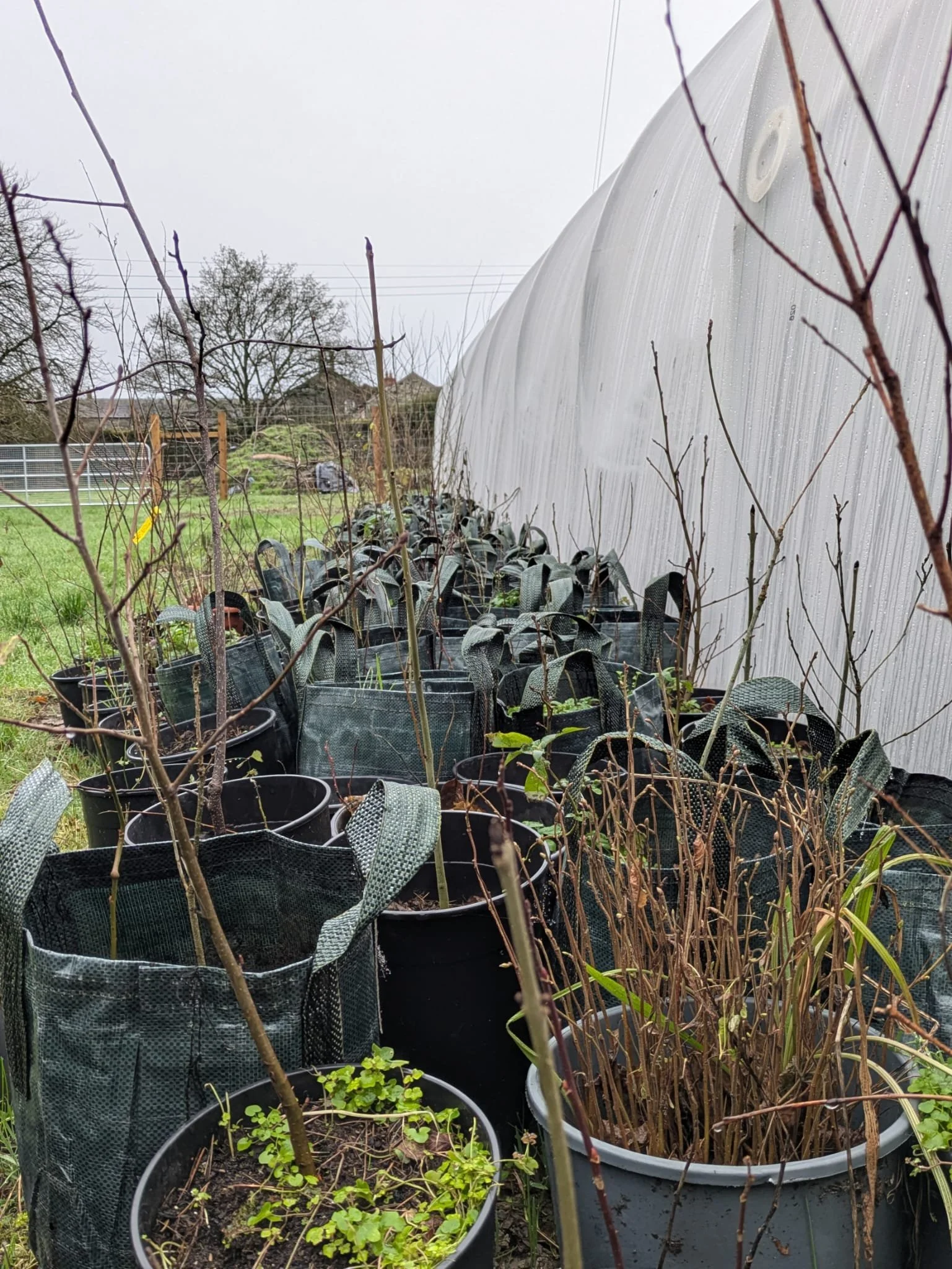
Boyne Rivers Trust, with the help of volunteers, have hand-collected and propagated thousands of local, native seeds from throughout the Boyne Catchment, which are now growing in our Tree Nurseries at Athboy Community Allotment and at Townley Hall.
By protecting what is left of these precious woodlands, and growing and planting more native trees, we can start to rebuild healthier, more resilient habitats along the Boyne.
Continue reading to find out how to get involved in the project, and for updates on our work.
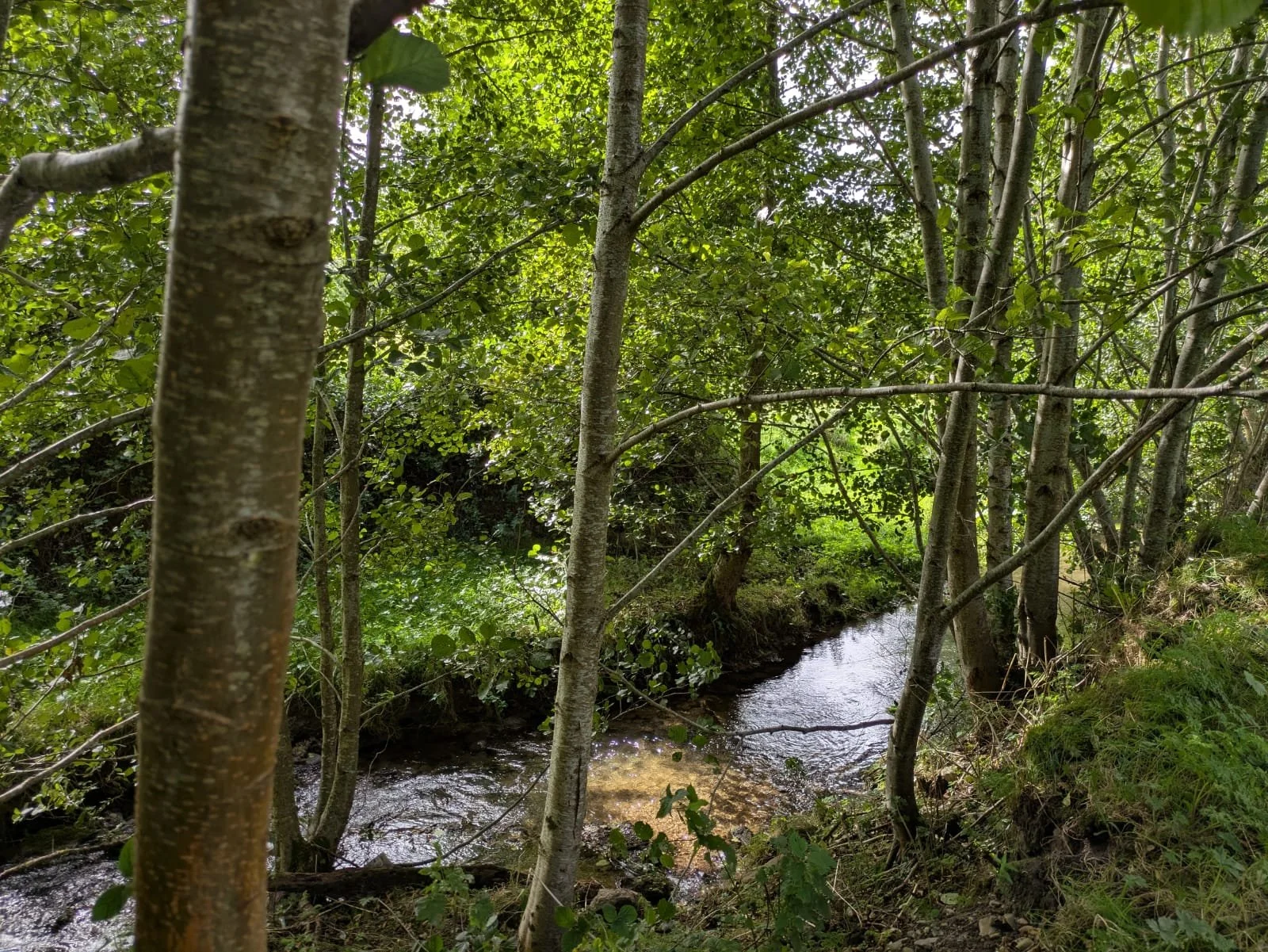
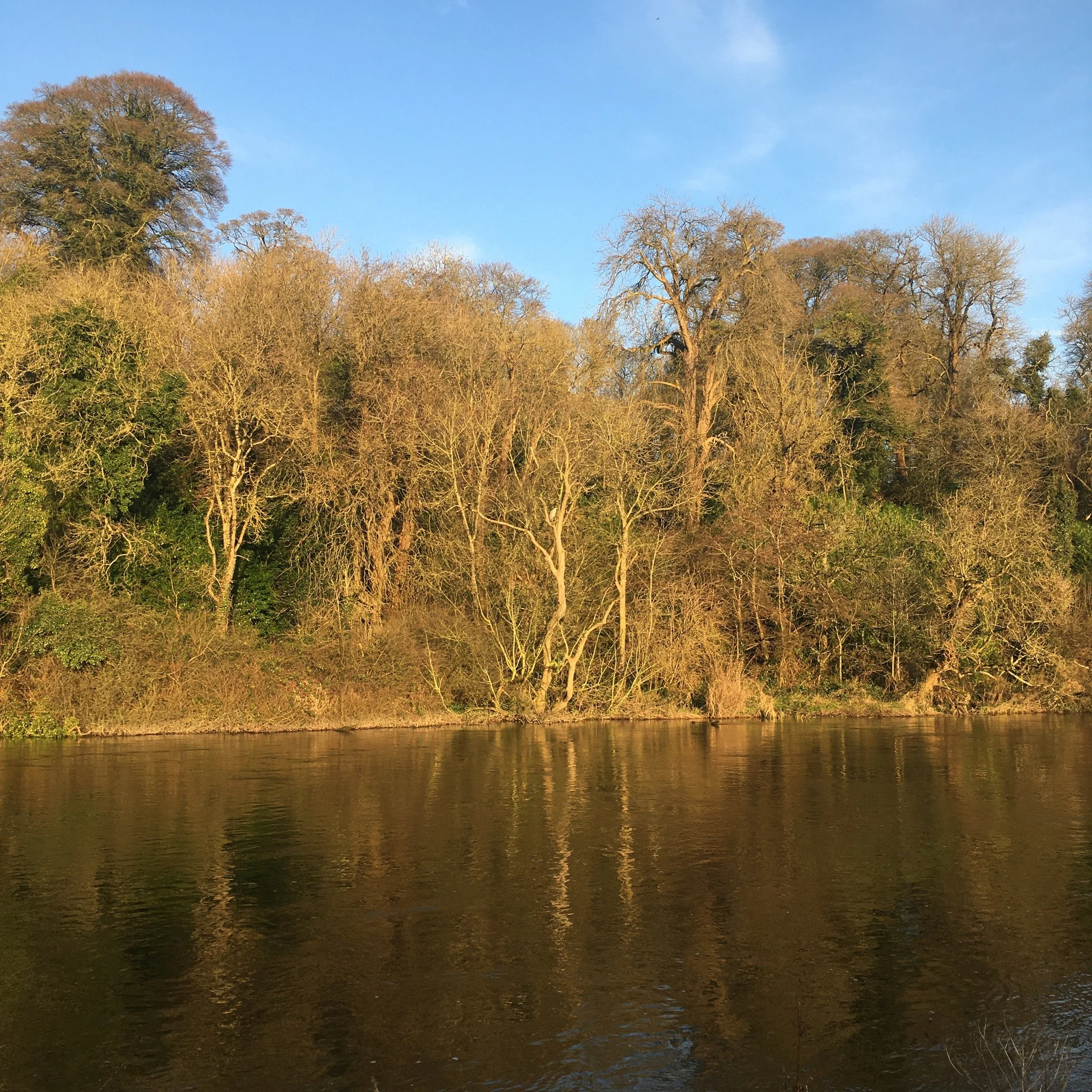
We plan to grow thousands of native trees in our dedicated Tree Nurseries for planting along the rivers of the Boyne Catchment.
Background
Floodplain woodlands have almost completely disappeared from Ireland. For context, the Boyne and Blackwater rivers once had around 180km of connected riparian woodland. Today, only one small patch of about 16 hectares of original gallery woodland remains.
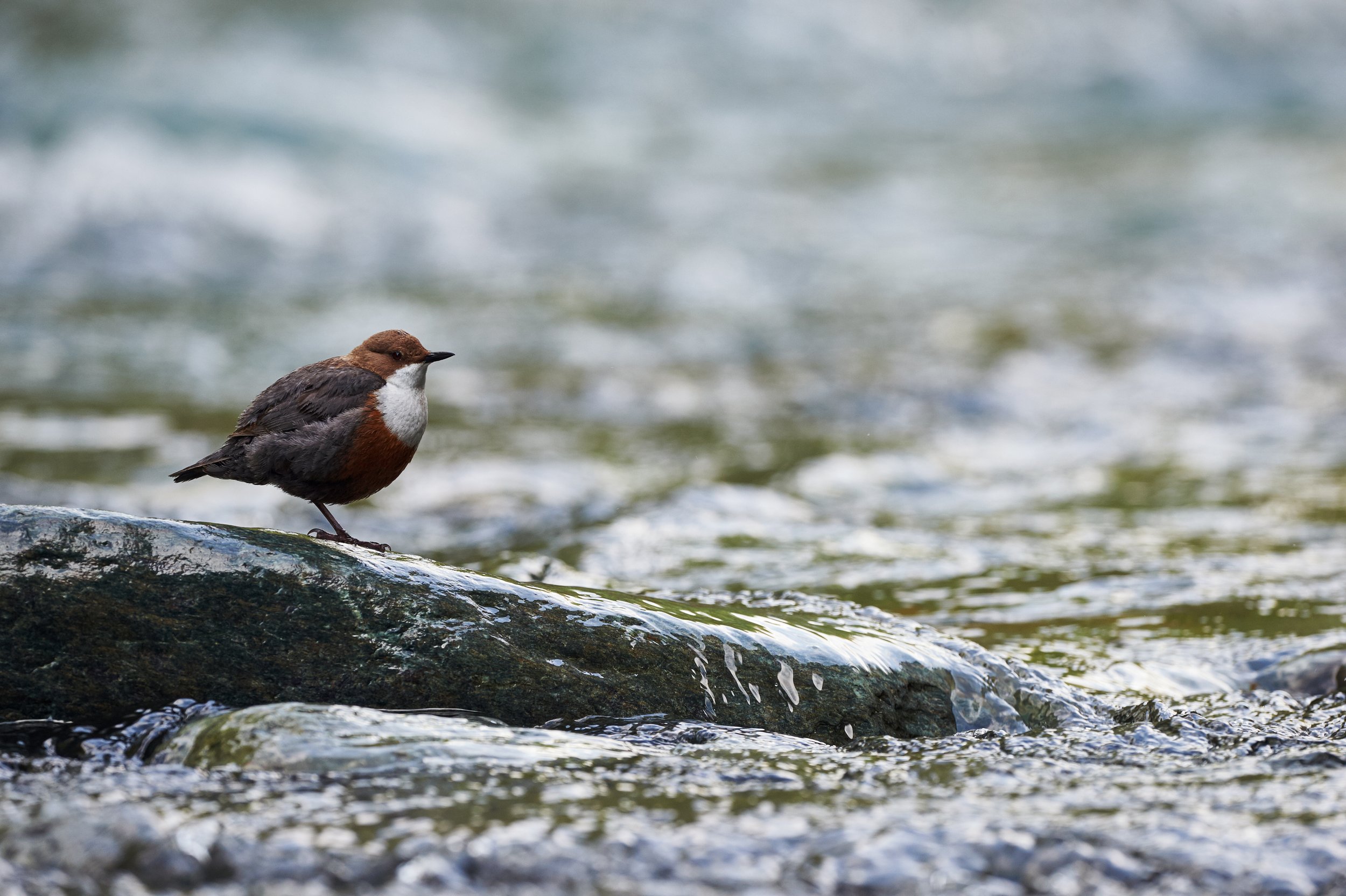
In summer, temperatures in the Boyne catchment can rise above 20°C, putting huge stress on Atlantic Salmon. Combined with pollution and other environmental pressures, their survival — along with that of many other species and habitats — is now at serious risk.
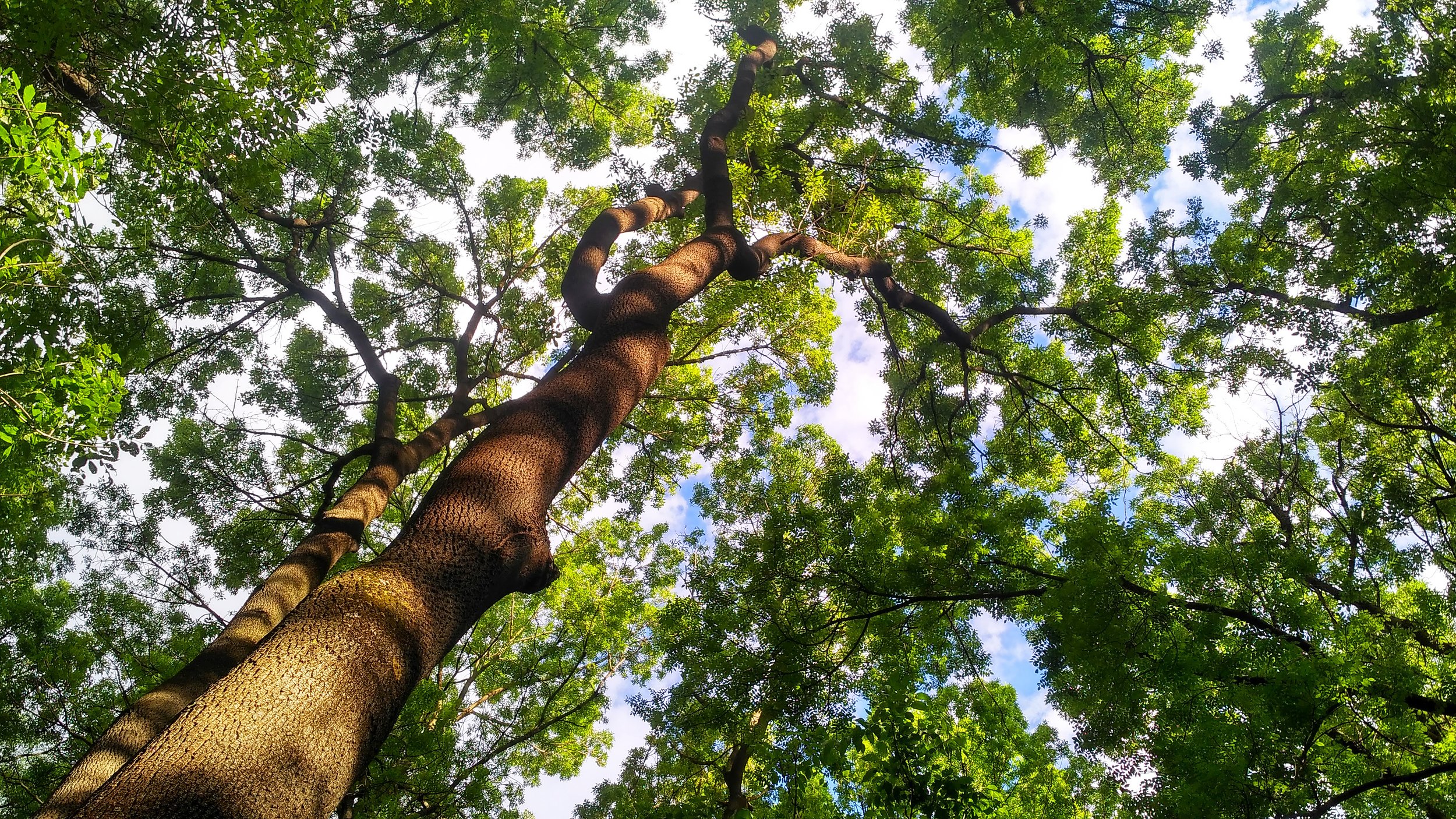
Restoring alluvial and riparian woodlands, will not only help in regulating water temperatures, stabilising riverbanks and preventing floods, but will also help revive the biodiversity and ecosystems of the Boyne and Blackwater Rivers — both recognised as Special Areas of Conservation (SAC) and Special Protection Areas (SPA).

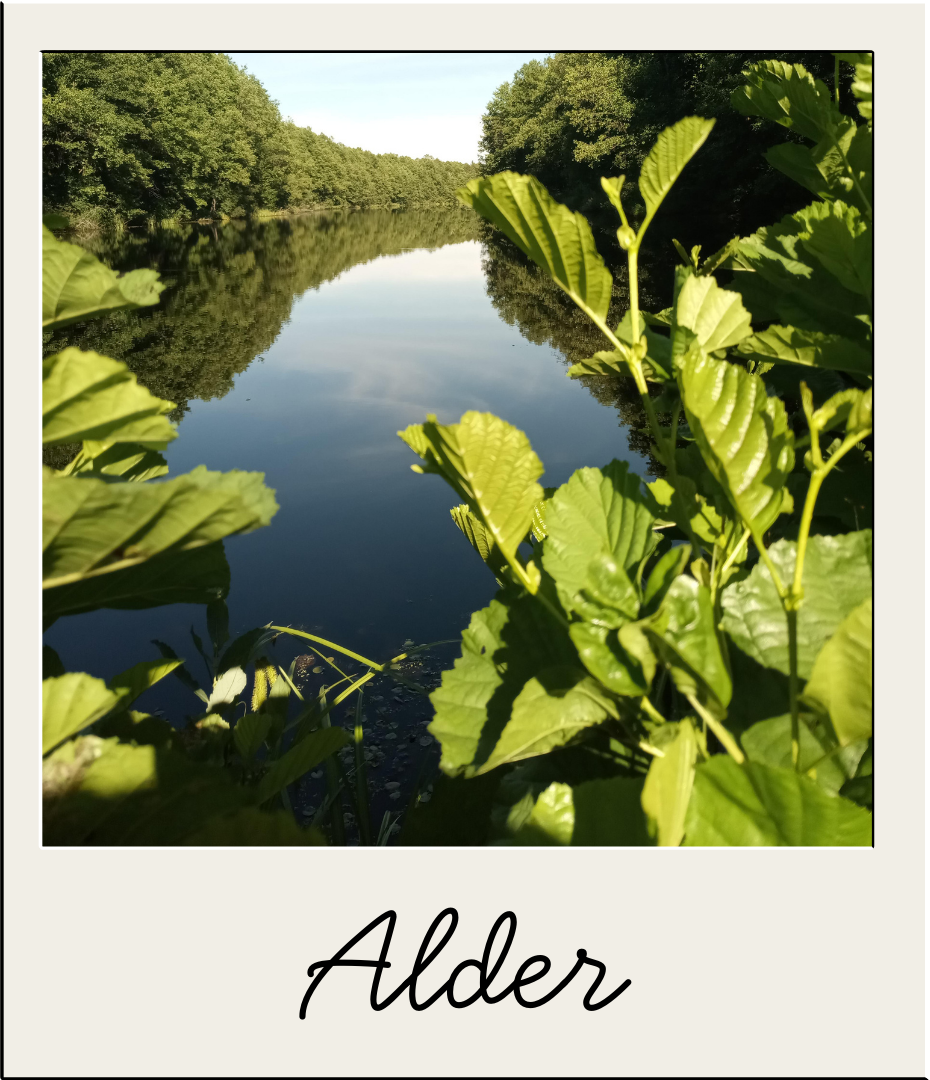
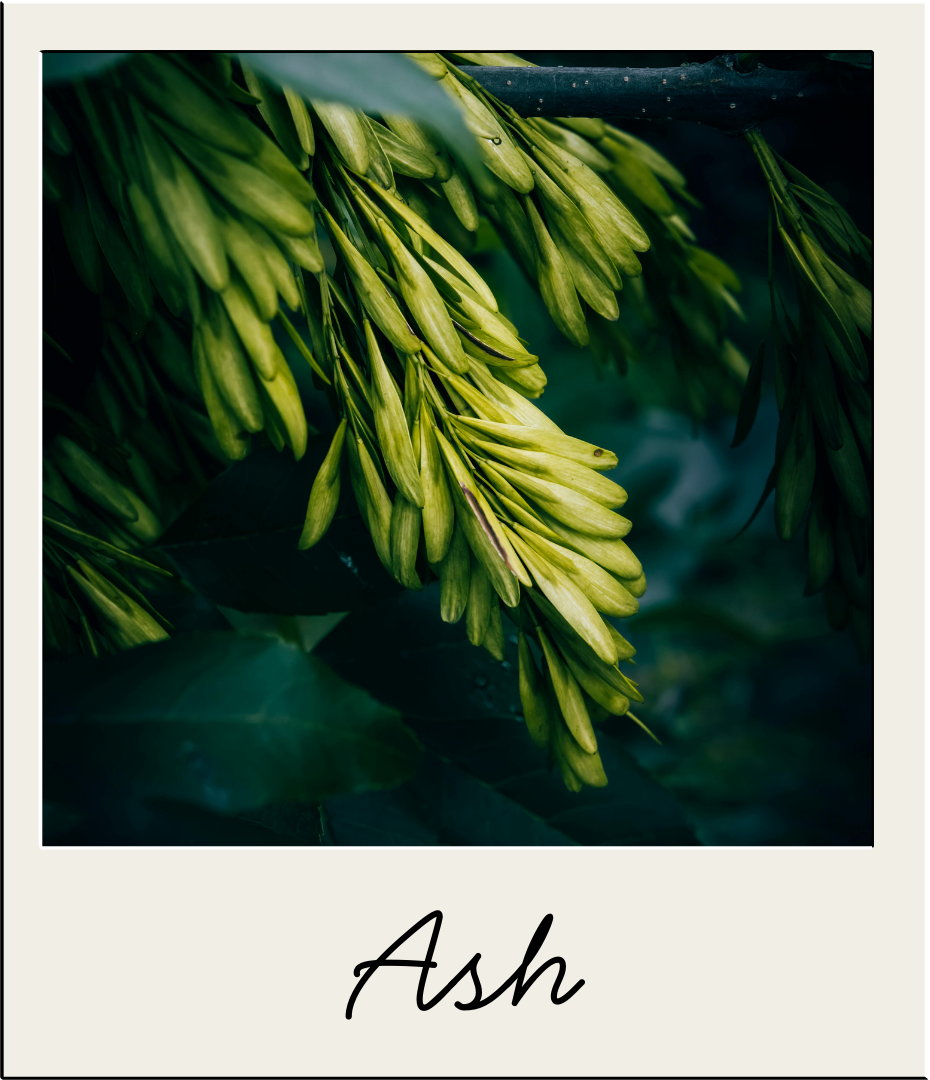
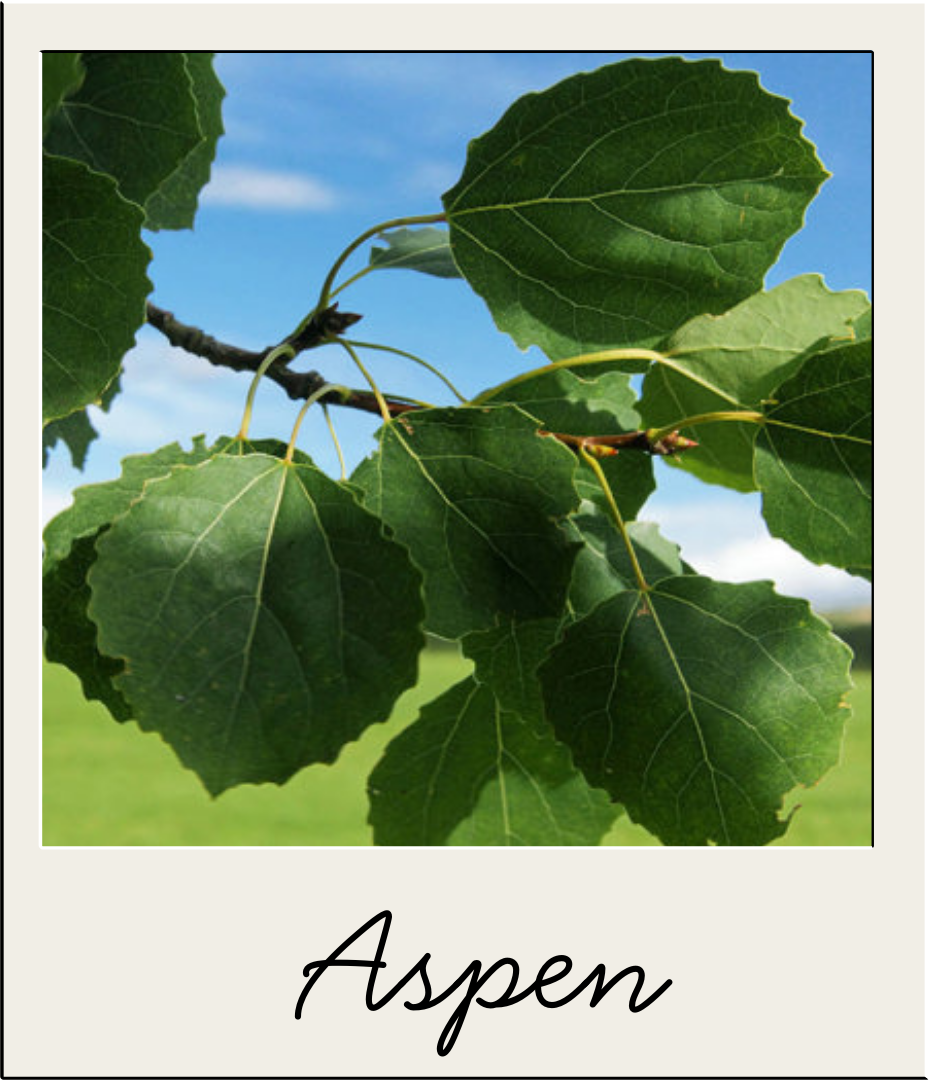
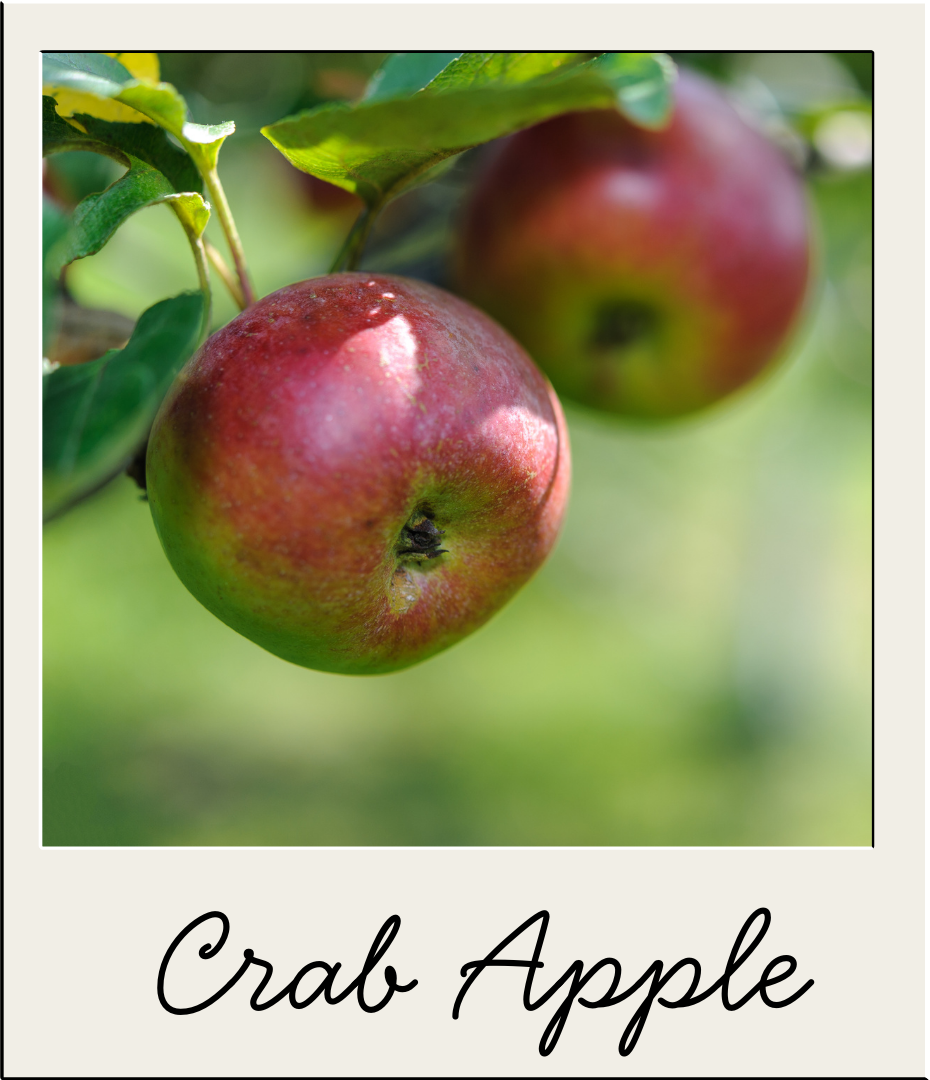
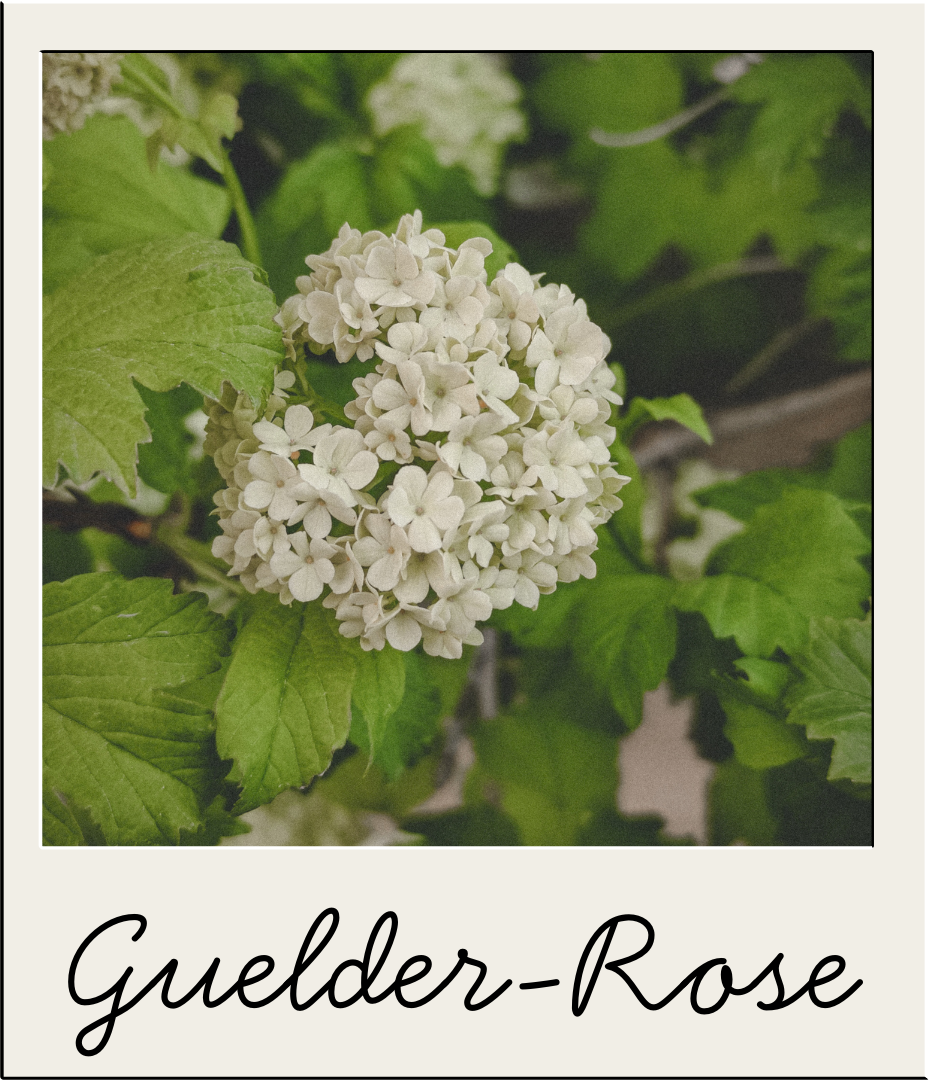
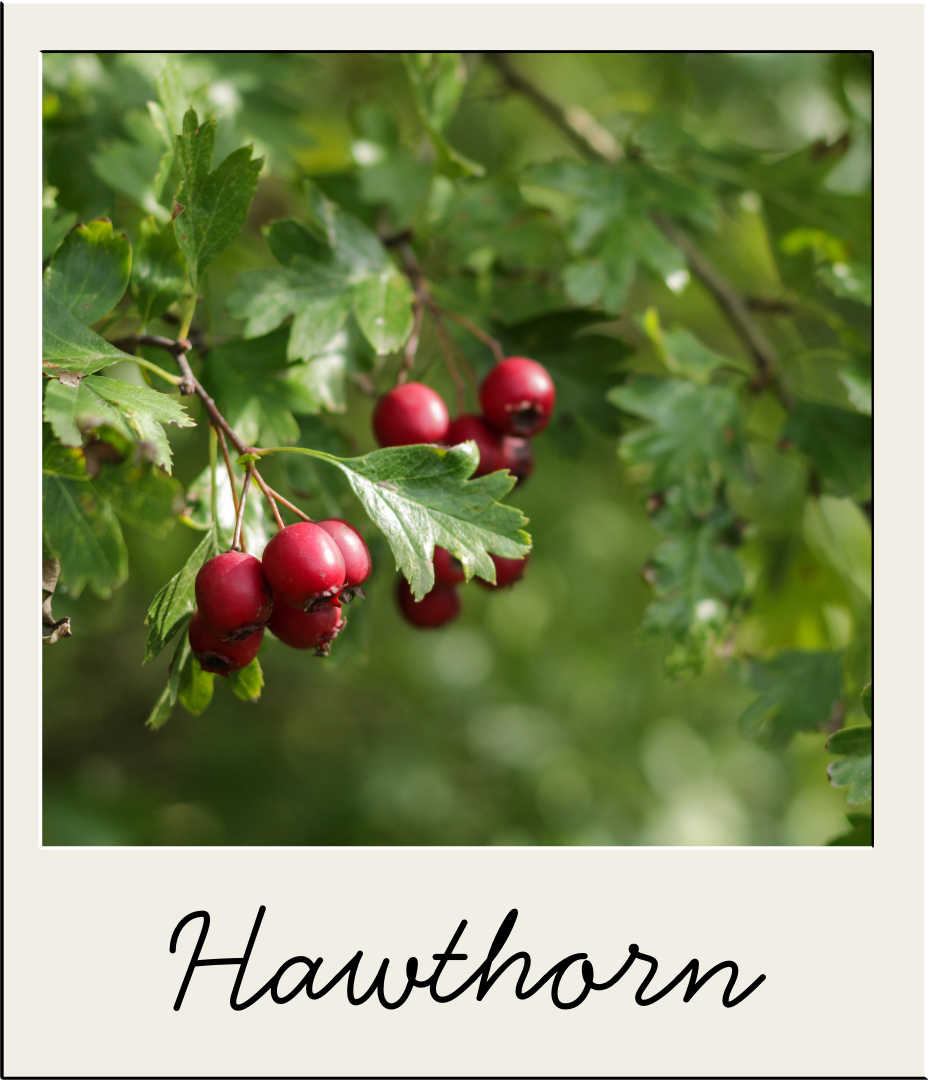
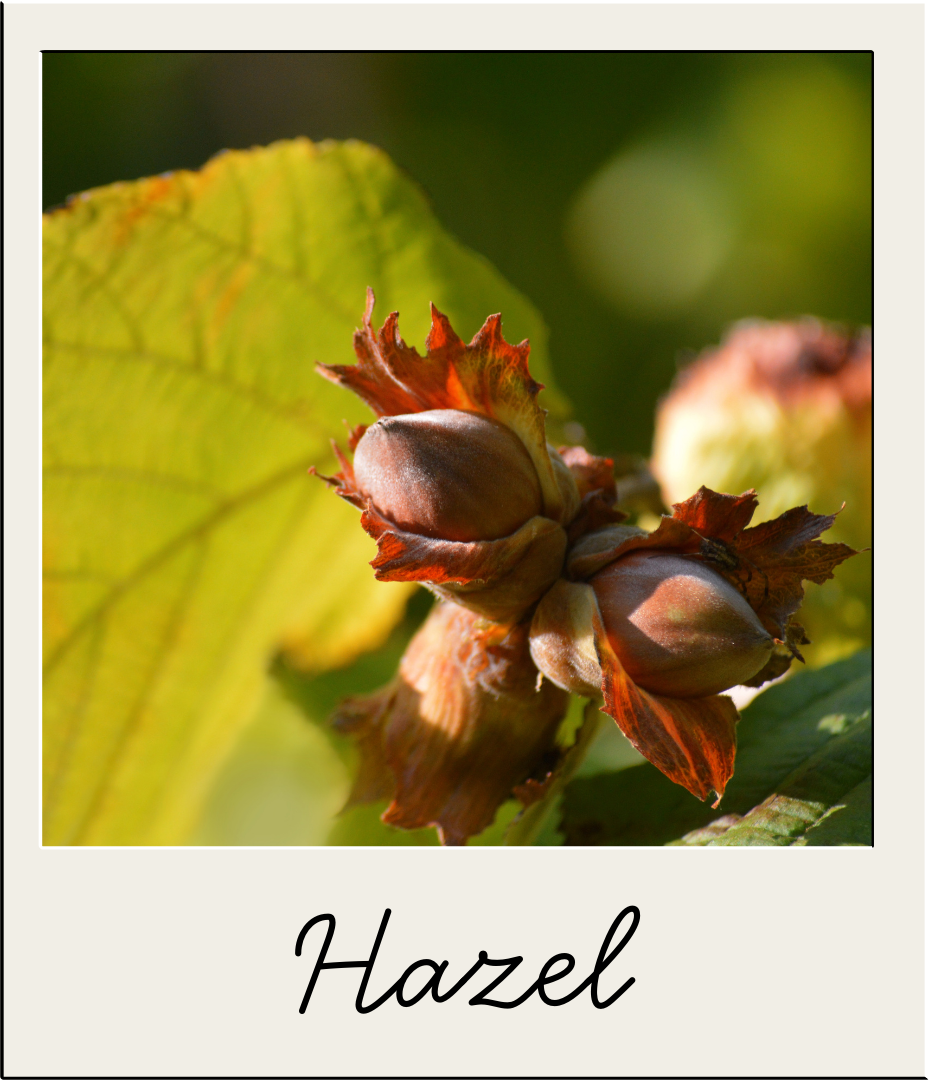
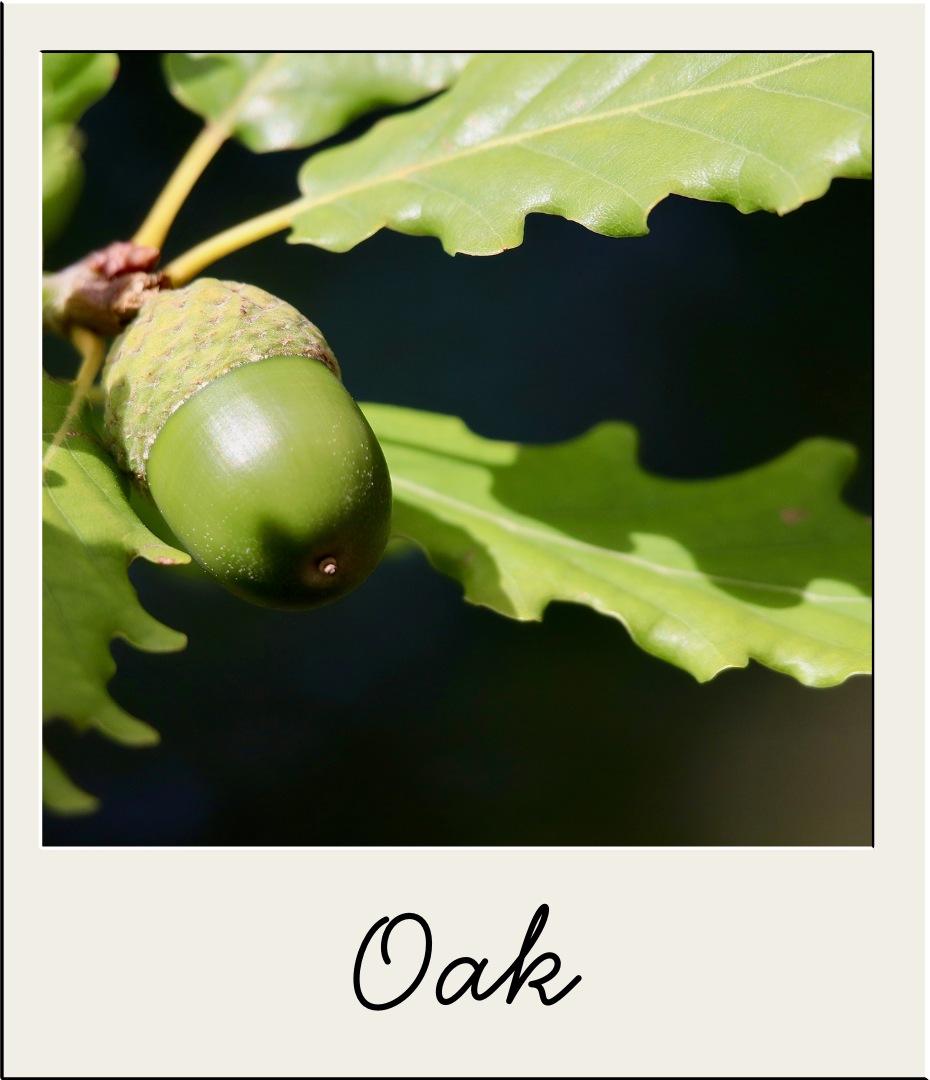
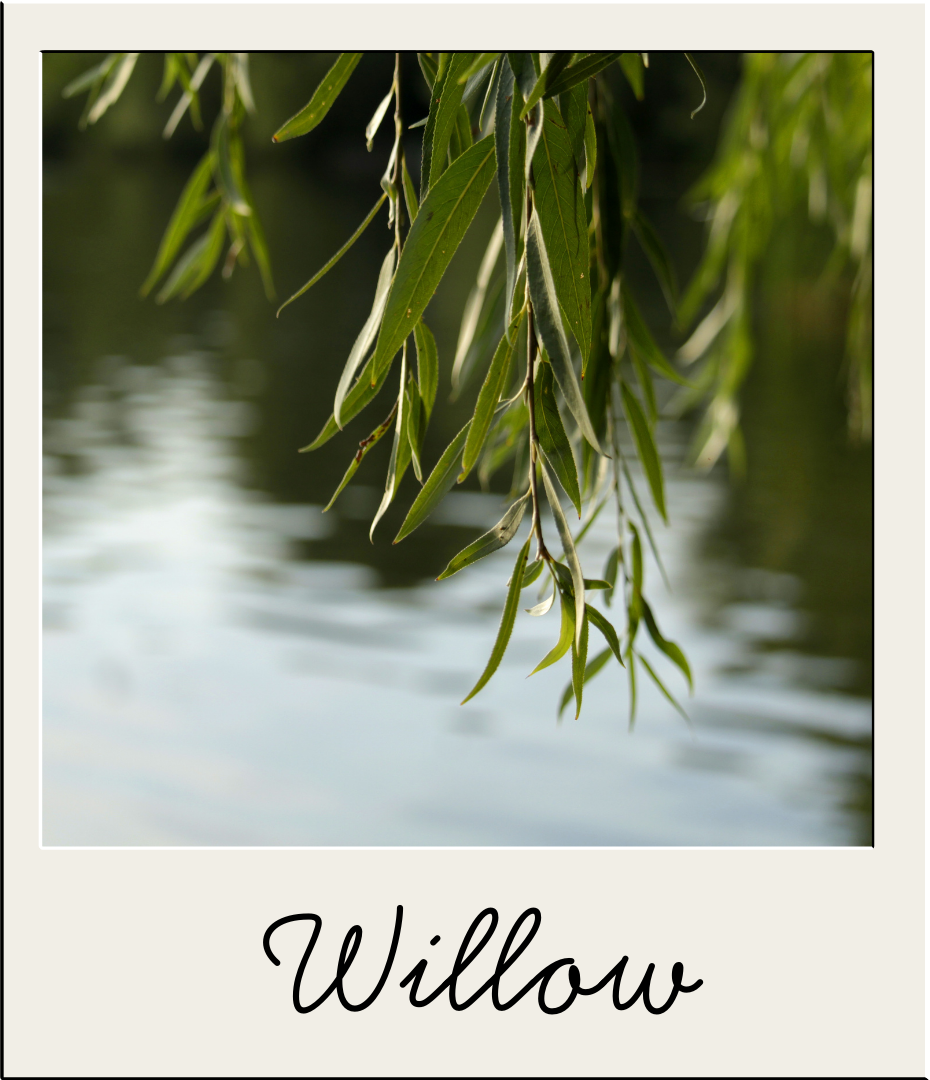
The trees species we are growing in our Tree Nurseries:

Get Involved
Every seed collected, propagated and tree planted is a step closer to a river landscape in better health than we inherited it and better able to face the challenges of the future. The key to restoring our river woodlands is people. If you are an individual who wishes to get involved in our work please get in touch. If you own a business in the catchment and can support us, we would welcome a discussion around sponsorship opportunities and how we can align and share our brand values.
There are many ways to support our mission, whether you are an interested individual, a community group looking to collaborate, or a business with ESG commitments.
Volunteer
With your support, we can help to restore native woodland in the catchment, for the benefit of our rivers, surrounding habitats and biodiversity.
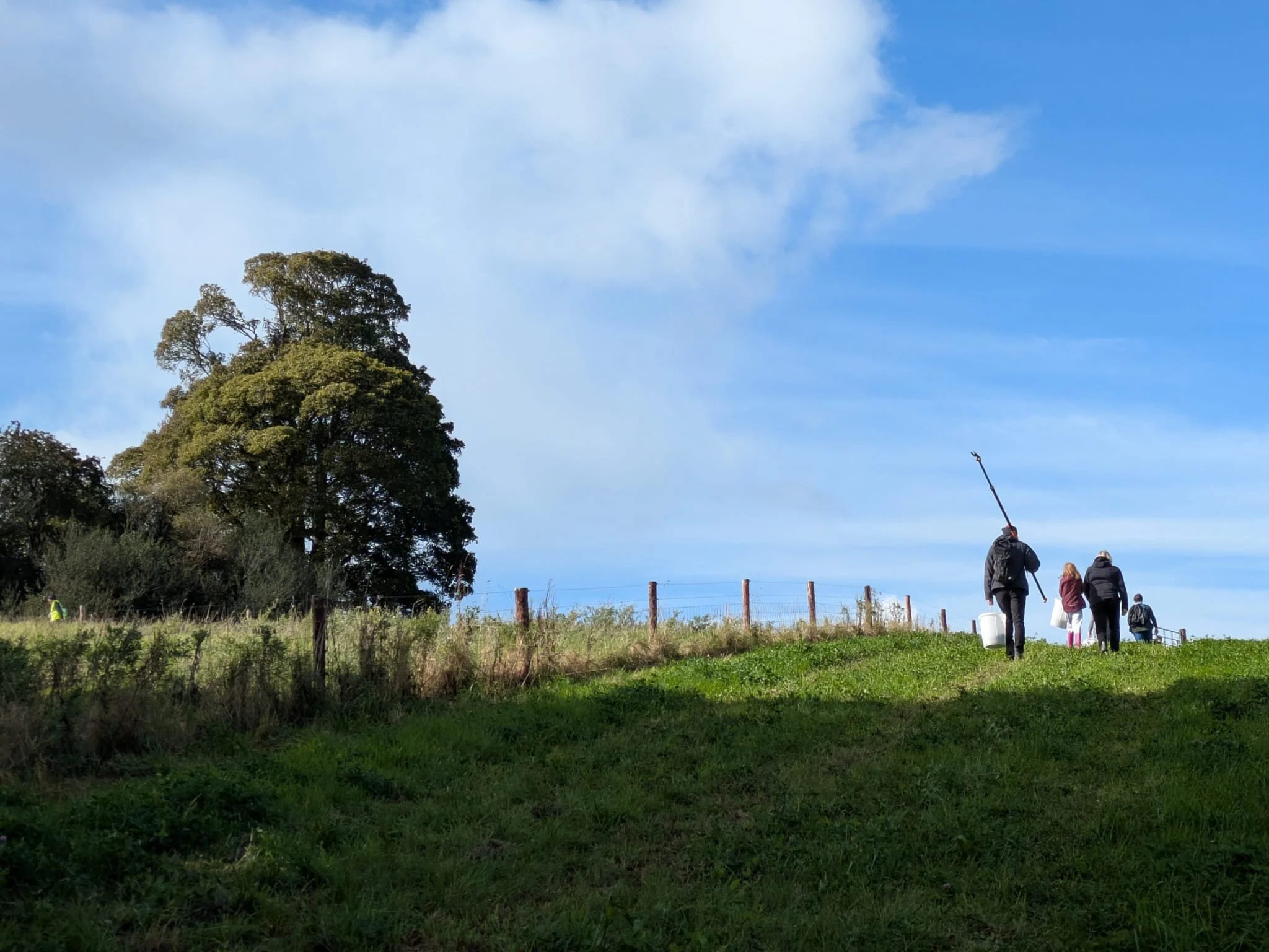
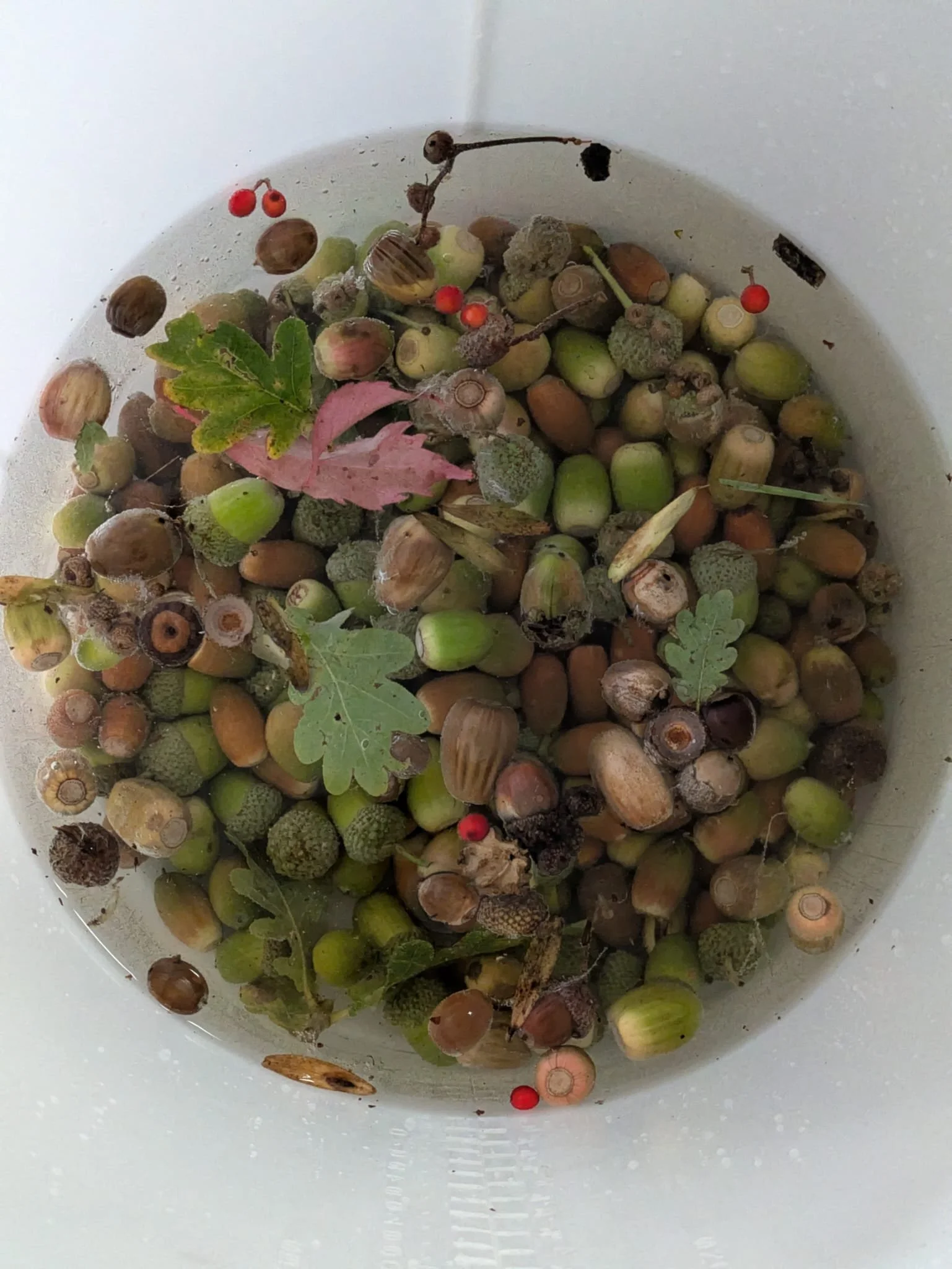
Join our wonderful network of volunteers by taking part in events and activities like seed collecting, seed sorting and tree planting. Follow us on social media and sign up to our Newsletter to stay up to date on events.
Donate
We would very much appreciate your contribution, which would support our efforts by funding materials, maintaining our tree nurseries, training and project running costs.
If you would like to make a donation, please use the donation box below, or email info@boyneriverstrust.ie for more information.
Generous support by donors is vital to build our infrastructure, resources, capacity and community hub to help restore our floodplain woodlands and all the wildlife which depends on it. Regular donations underpin all that we do – they help us to plan ahead and make the most of your contributions to deliver a real difference to the future of the River Boyne.
To donate, use the drop-down box to select whether you are an individual making a contribution or donating on behalf of a business.
Project Updates
To date we have hand-collected and propagated thousands of local tree seeds from source in the Boyne sub-catchments. The seeds have been potted up and cared for in our Tree Nursery in Athboy. In 2025, we secured funding for a second Tree Nursery in Townley Hall.
Continue reading for updates on our work!
Volunteer Seed Collection Day
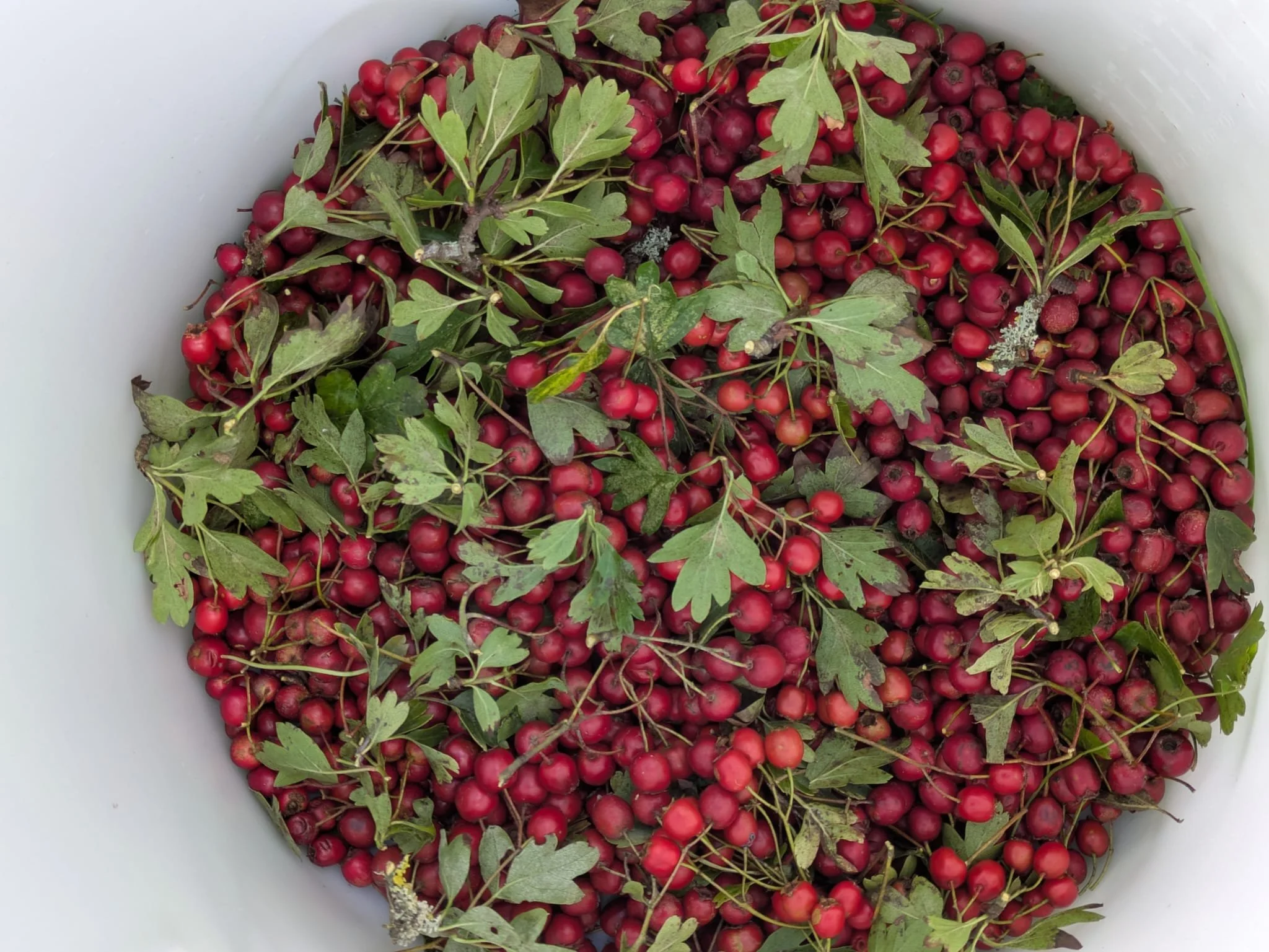
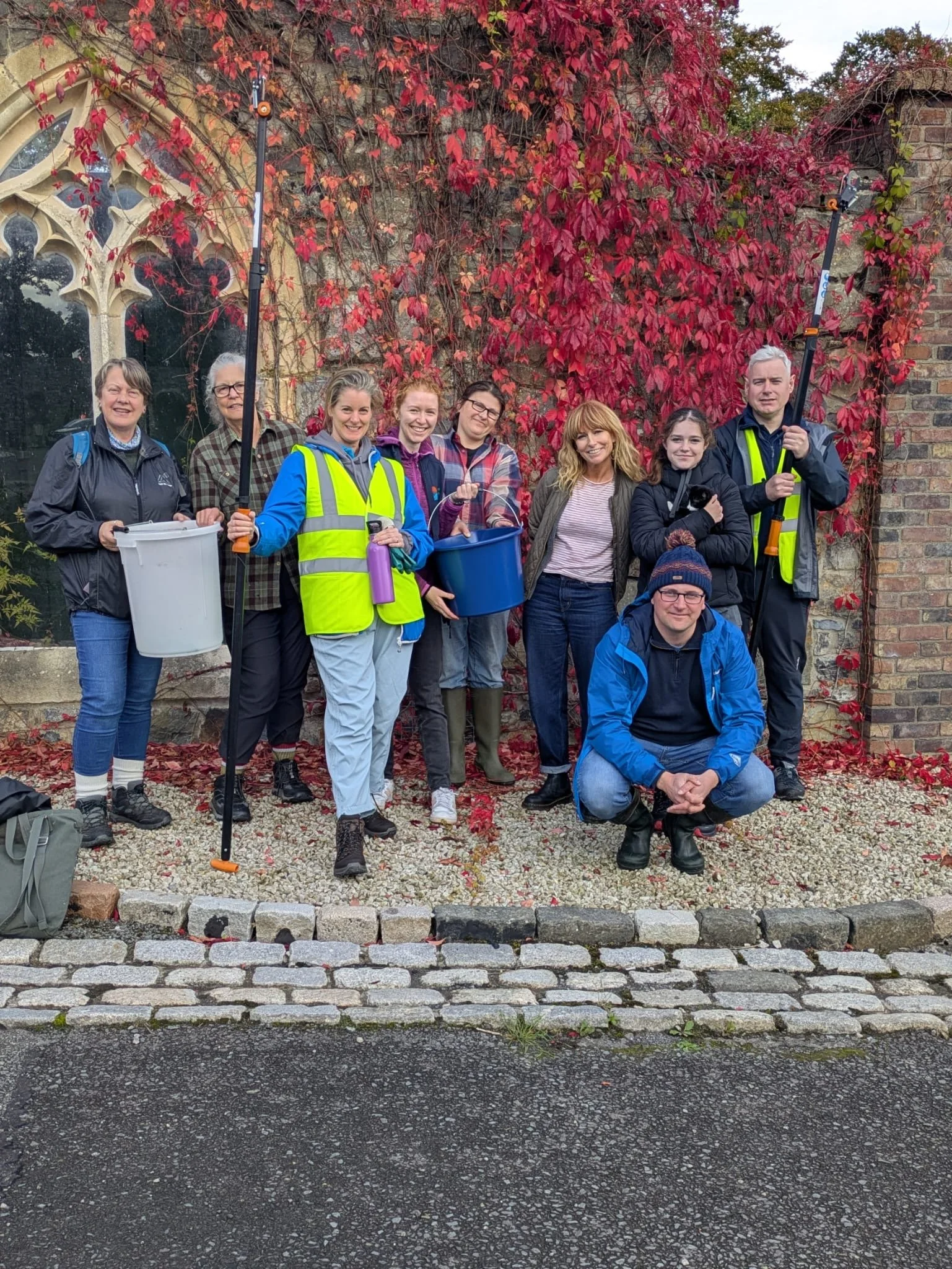
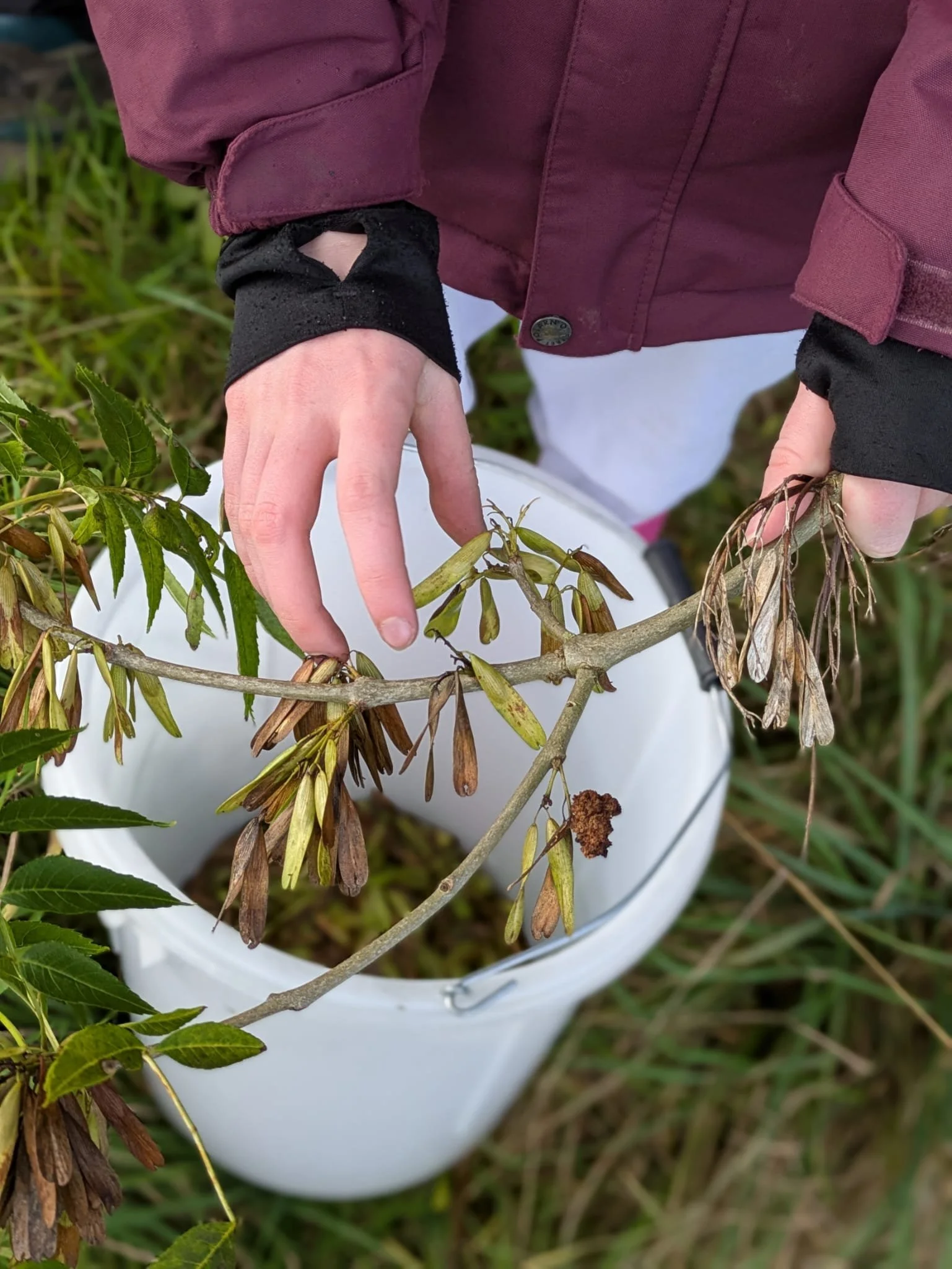
National Parks and Wildlife Services (NPWS) kindly accommodated Boyne Rivers Trust to hold a Community Seed Collection Day at Brú na Bóinne National Park in September. The BRT team and a group of energetic volunteers collected native seeds for propagation in our tree nurseries as part of the Boyne Floodplain Woodlands Project.
Thanks so much to our wonderful volunteers, who helped us collect seeds of alder, oak, hawthorn and ash. Every seed collected, propagated and tree planted is a step closer to a healthier and more resilient river landscape.
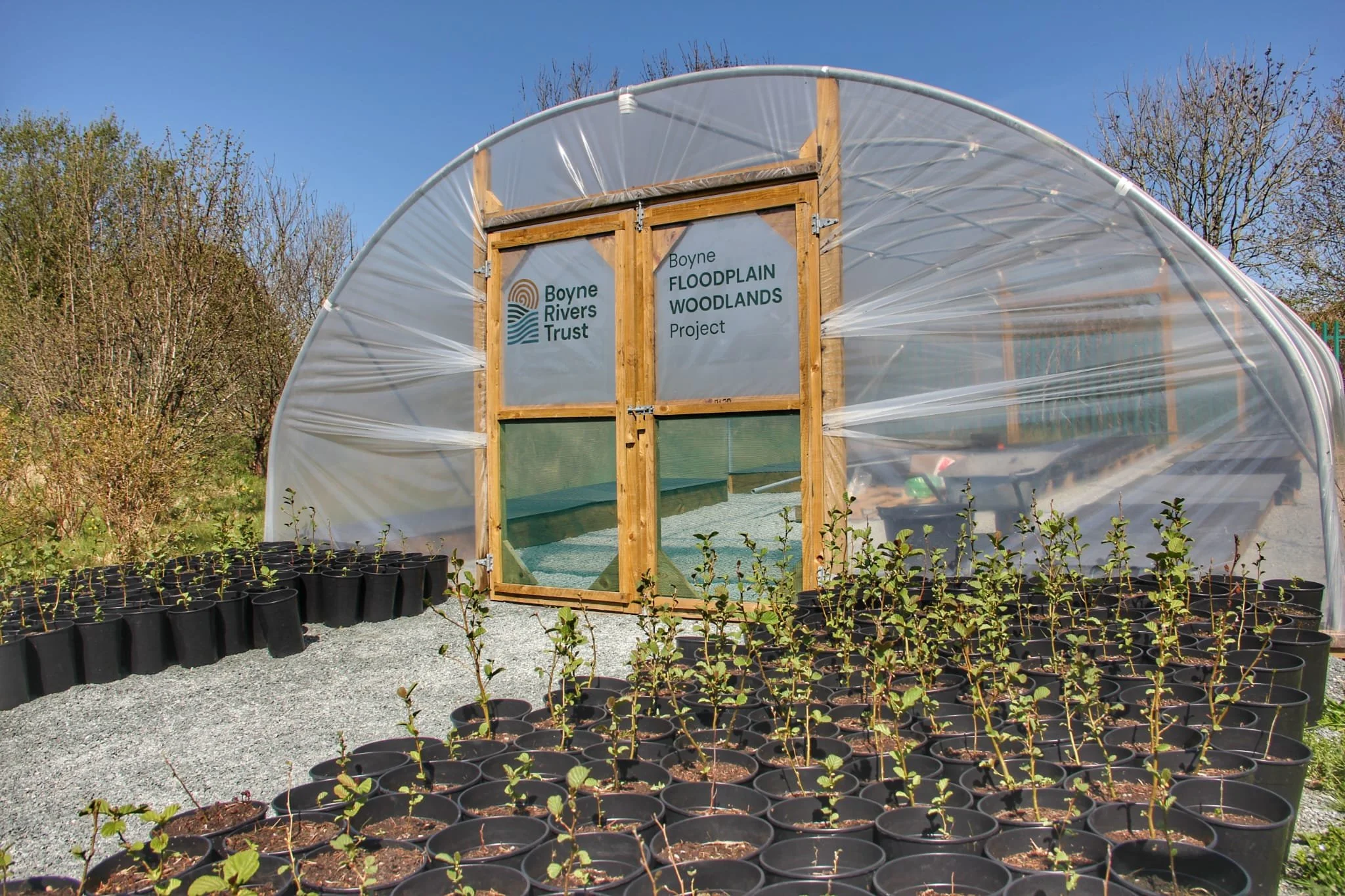
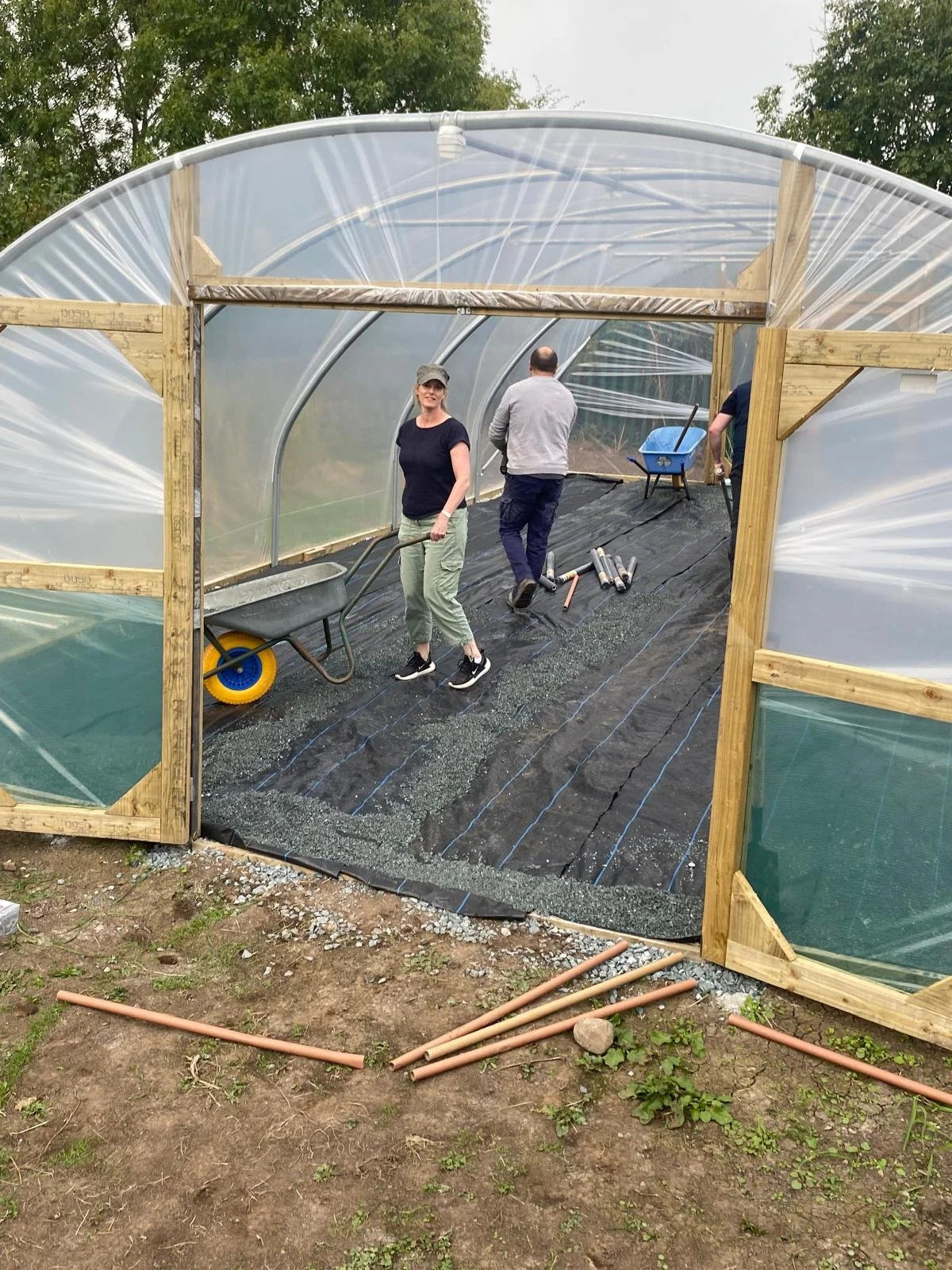
Our New Tree Nursery at Townley Hall
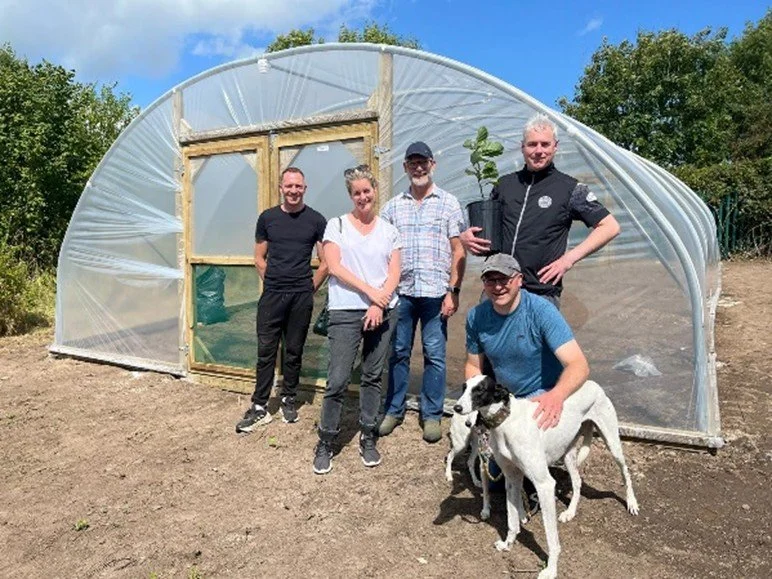
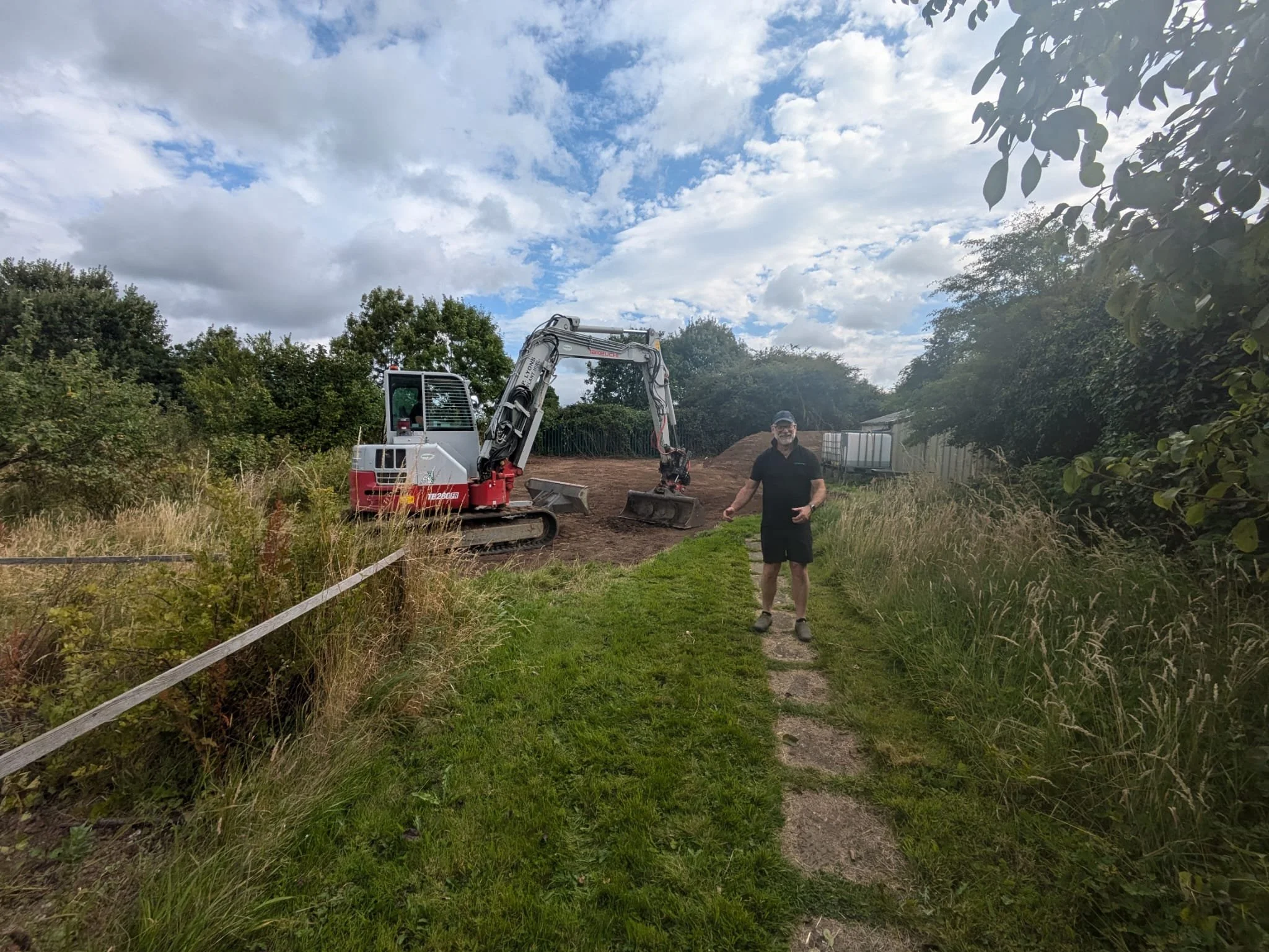
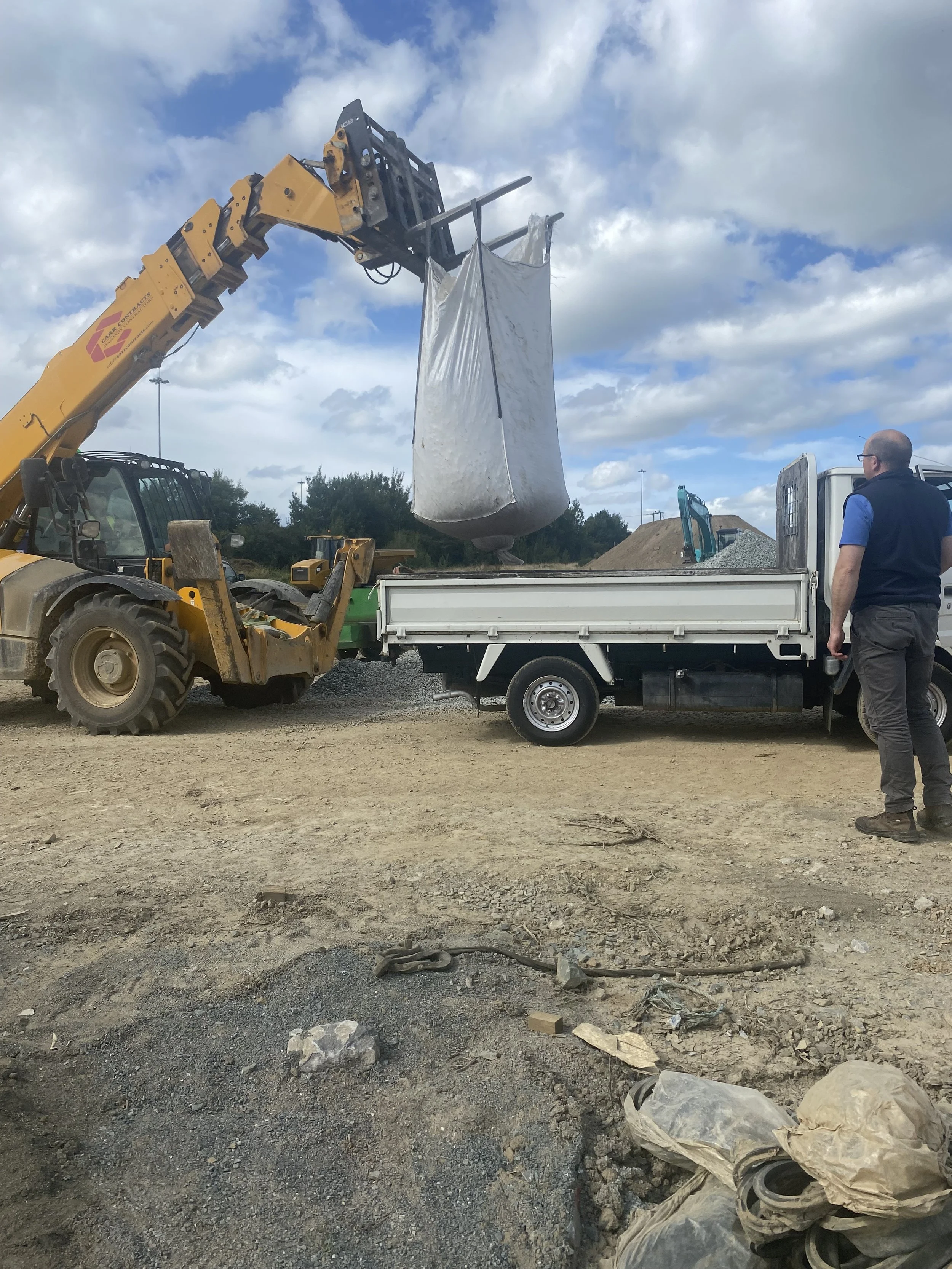
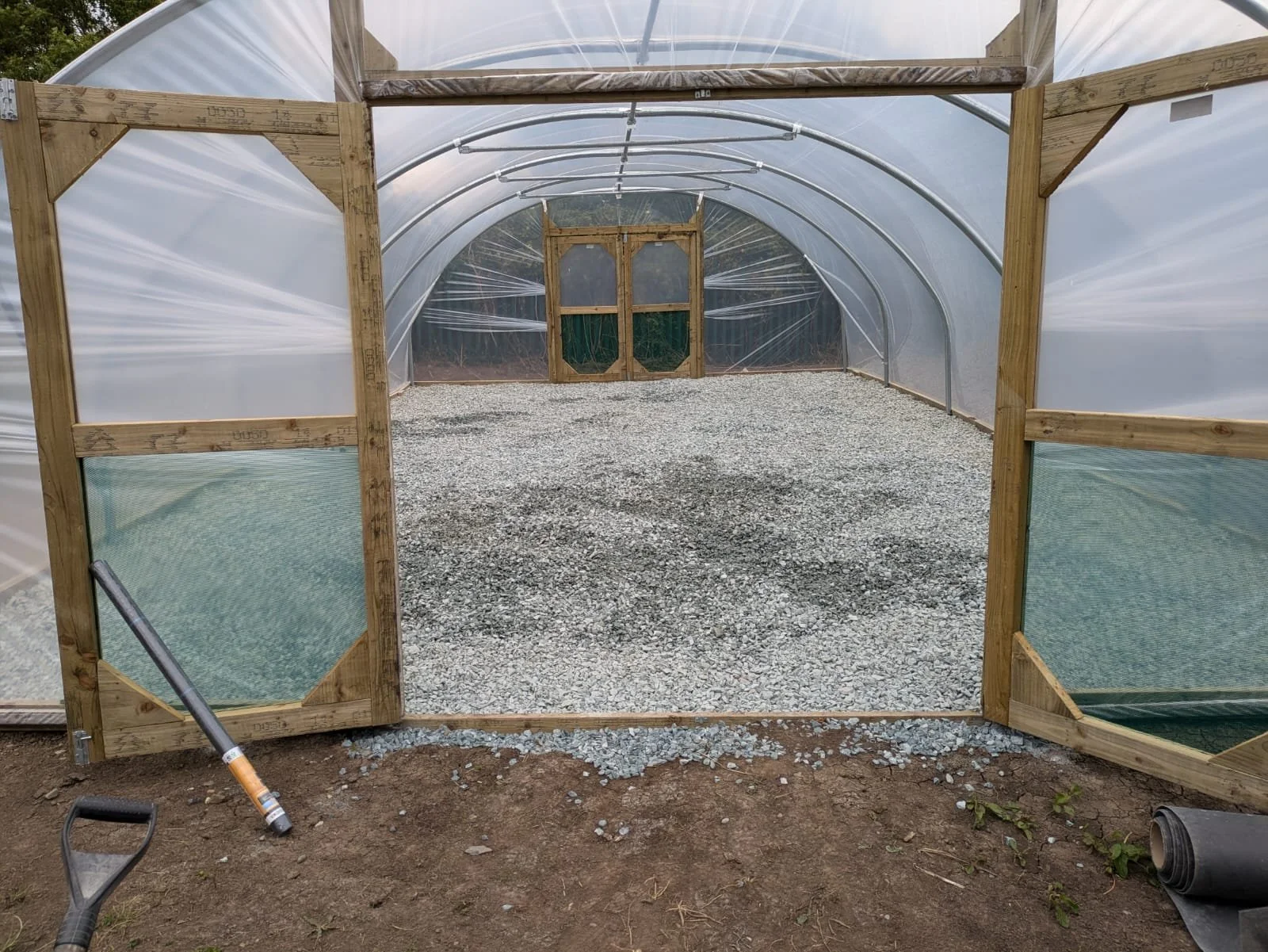
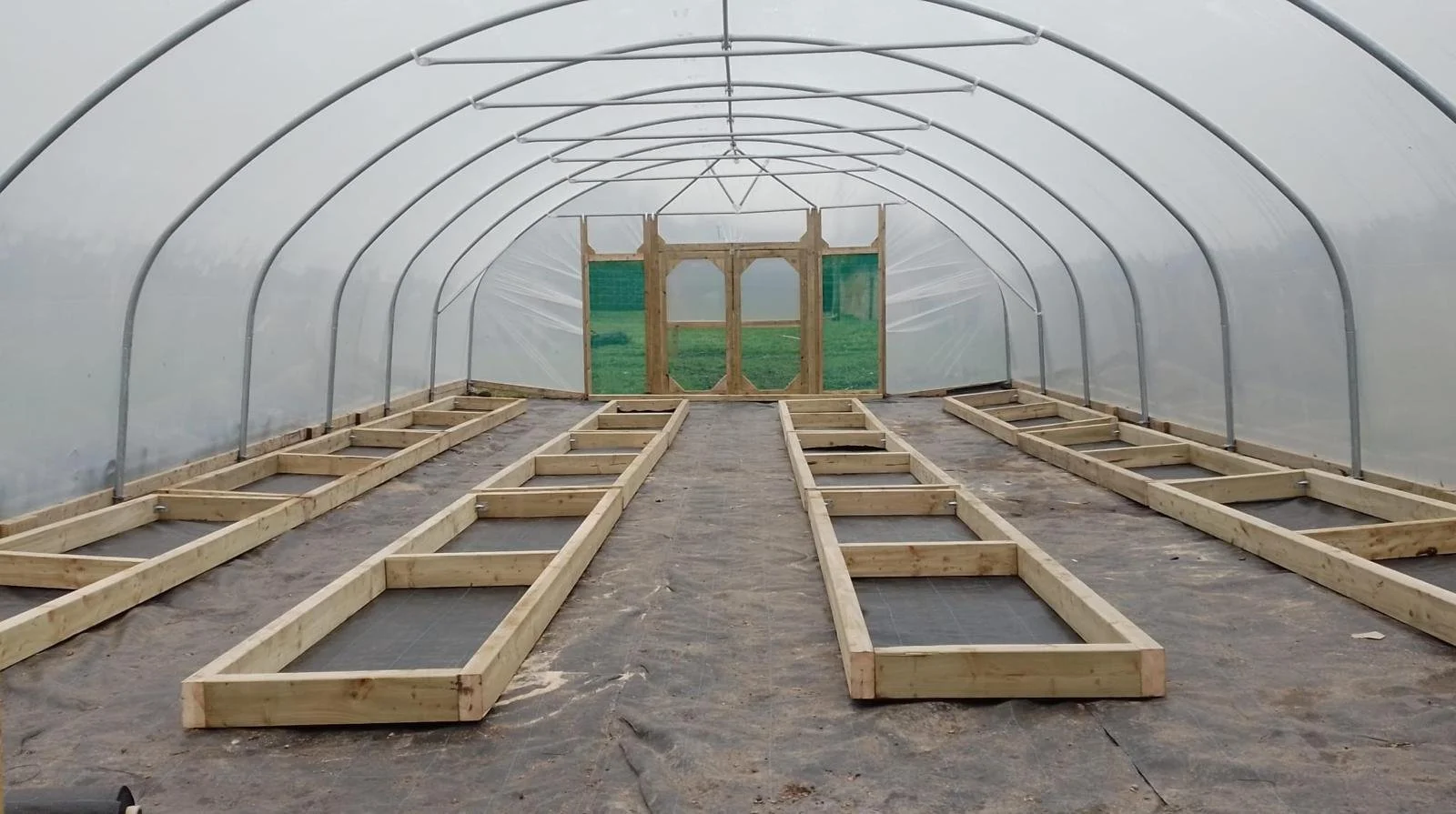
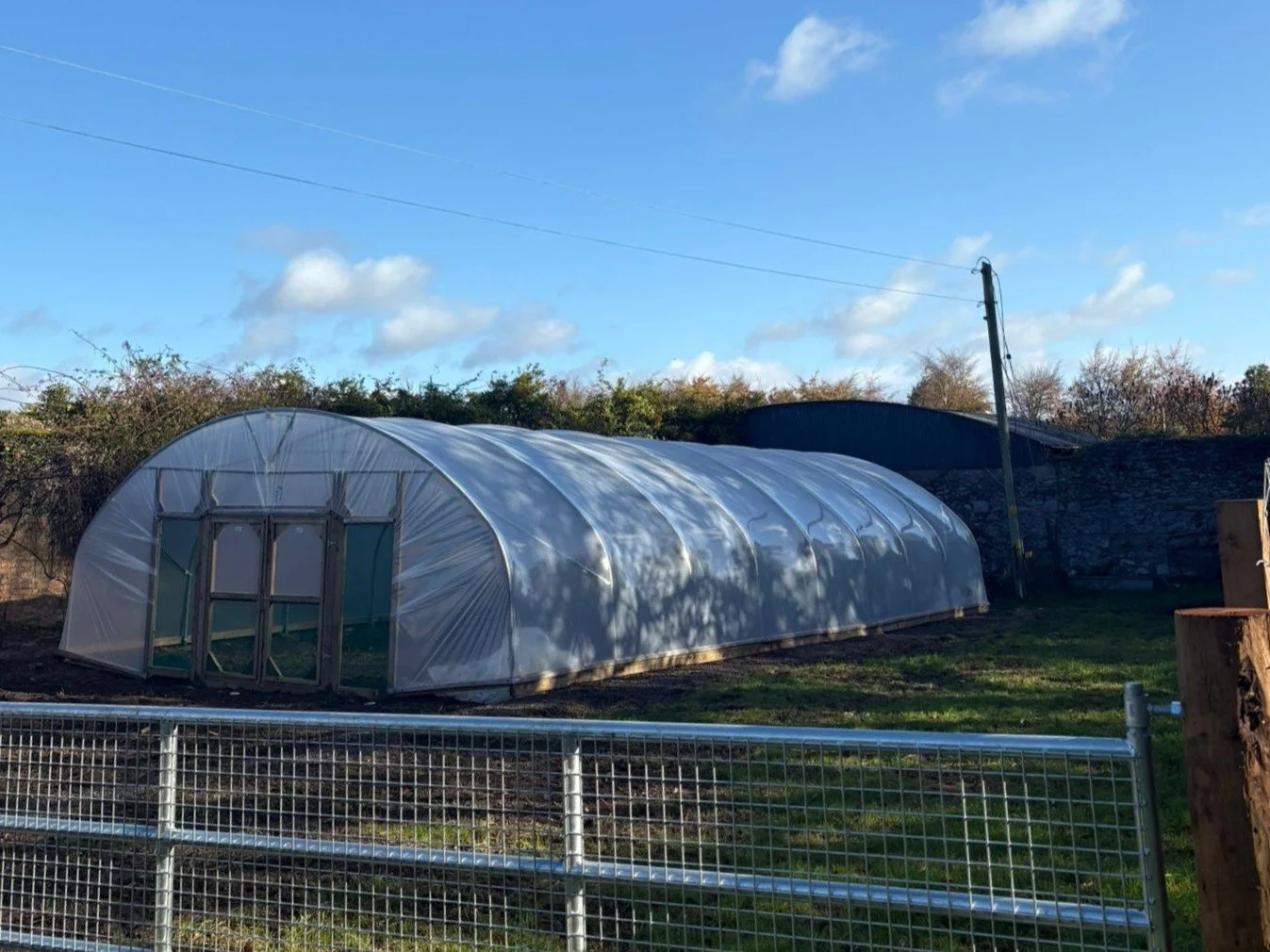
We’re delighted to have installed our second Tree Nursery as part of our Floodplain Woodlands Restoration project, aiming to restore the native woodlands of the Boyne River Catchment.
To date we have hand-collected and propagated thousands of local tree seeds. The seeds have been potted up and cared for, and are now growing in our dedicated Tree Nurseries in Athboy, and more recently Townley Hall. Work will continue in both Tree Nursery sites in 2026, propagating seed, transplanting saplings, and caring for this precious stock of native trees, which will eventually be planted out along the Boyne Catchment.
With Thanks to our Funders